
Breaking Product Silos to Boost Enrollment
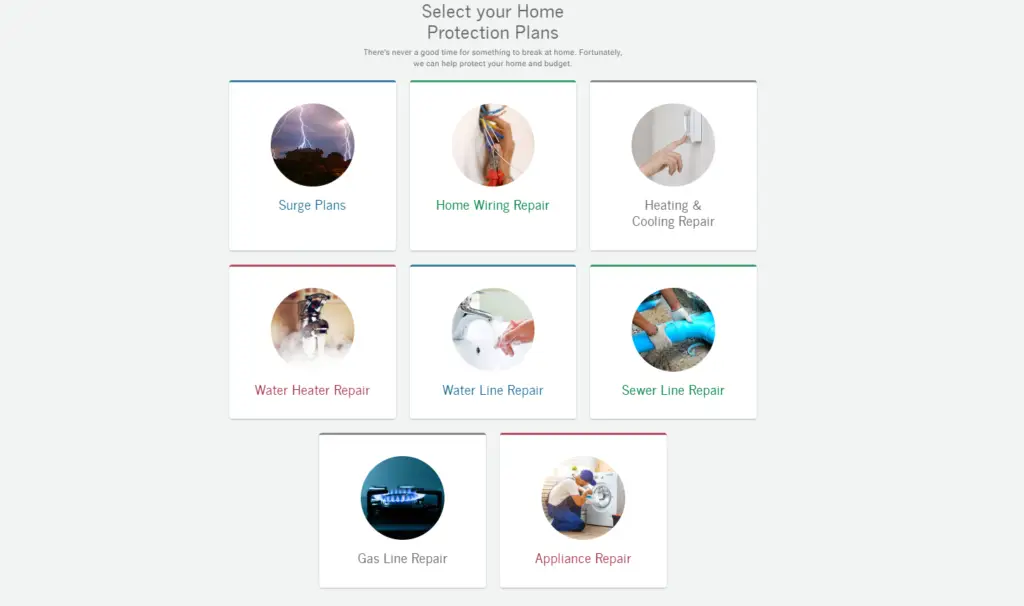
Duke Energy offered multiple home warranty programs, each owned and marketed separately. While the individual products performed well, the fragmented structure created a confusing customer experience, unnecessary decision friction, and capped enrollment growth.
Competitive analysis showed the market had already moved on. Most competitors sold home warranties as a single, bundled plan, positioning simplicity as the value. Duke’s siloed approach was out of step with customer expectations, and costing conversions.
The Approach
Conducted competitive and market analysis to benchmark Duke’s offerings against bundled competitors
Built the business case for a unified plan centered on customer simplicity and stronger positioning
Aligned marketing and multiple product owners around a shared bundled strategy, breaking down internal silos
Piloted Duke Energy’s first bundled home warranty offering, supported by unified messaging and coordinated marketing campaigns
Result:
Increased home warranty enrollments by 15%.
Simplified the customer experience by reducing decision friction.
Established a repeatable model for cross-product collaboration and bundled go-to-market execution.
From Intent to Opportunity: ABM in Action
Hexagon had a solid target accounts list, but the budget was too small to target the full list, and campaigns were unfocused. This case study shows how I built a targeted ABM strategy that leveraged intent data to identify accounts in-market and focus spend, aligning messaging, channels, and sales outreach to accelerate pipeline.
Cut Costs 40% with List Optimization
Duke energy had been sending direct mail to the same segment for years, wasting spend on low-response recipients. This case study shows how I used propensity models to focus on the contacts most likely to respond, reducing list size, cutting campaign costs by 40%, and maintaining engagement and response rates.