
Cut Costs 40% with List Optimization
The direct mail program was consistently hitting its goals by running the same campaigns month after month. Results were predictable, but growth was capped. To expand reach and test digital marketing channels, budget needed to be freed up—without risking the reliability of the existing direct mail engine.
Direct mail didn’t need more volume, it needed more precision. By reducing waste in the mailing list and focusing only on the contacts most likely to respond, costs could be cut significantly while preserving performance, creating room in the budget to invest in digital experimentation.
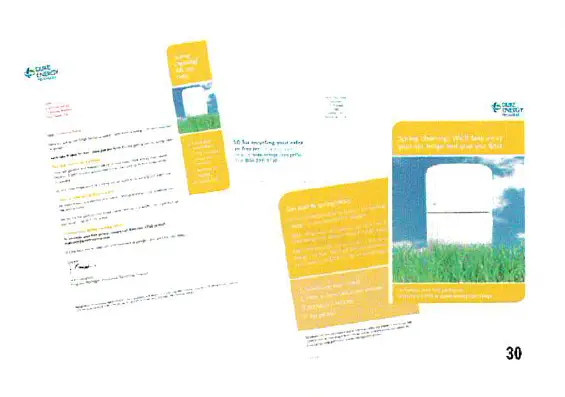
The Approach
Analyzed historical direct mail response and engagement data
Partnered with analytics to apply propensity models identifying contacts most likely to respond
Reduced the mailing list to high-propensity segments only
Reallocated spend to focus on quality over volume while maintaining consistent messaging
The Results
40% reduction in direct mail campaign costs
Maintained engagement and response rates despite a significantly smaller list
Improved ROI by eliminating low-value recipients
Established a data-driven framework for ongoing list optimization
Breaking Product Silos to Boost Enrollment
Duke Energy’s home warranty products were siloed and confusing for customers. This case study shows how I piloted the company’s first bundled offering, marketing all warranties together, which simplified the experience and drove a 15% increase in enrollments.
Driving Product-Led Growth with PQLs
Product-led growth only works when you know which behaviors actually lead to upgrades. This case study shows how I defined Atlassian’s PQL framework, identifying the product usage signals that matter and using targeted messaging to drive conversion and expansion.