















Disjointed GTM messaging was confusing buyers and killing conversion. This case study shows how I aligned teams around a single messaging framework by mapping the buyer journey and clearly connecting pain points, solutions, and differentiators, so every team told the same story and conversion improved.

Moving from SMB to enterprise required a complete reset of the go-to-market approach. This case study shows how I built an ABM program aligned to a distinct enterprise buying journey, designed to engage the right accounts earlier and support longer, more complex buying cycles.
Compucom was generating leads, but too few MQLs were turning into real sales opportunities. This case study shows how I rebuilt the lead and nurture process to double MQL-to-SQL conversion, from 9% to 18%, and significantly improve pipeline quality.
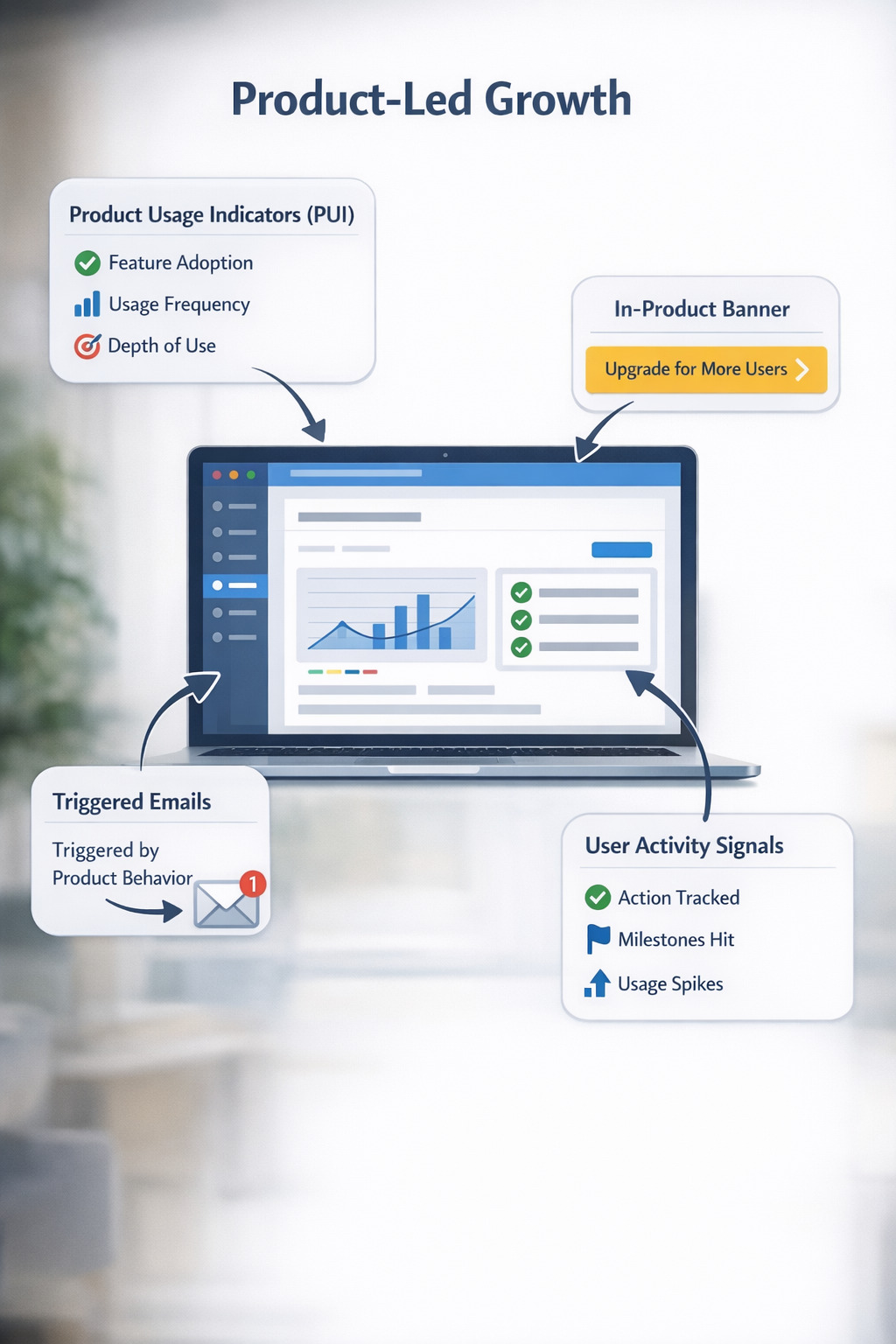
Product-led growth only works when you know which behaviors actually lead to upgrades. This case study shows how I defined Atlassian’s PQL framework, identifying the product usage signals that matter and using targeted messaging to drive conversion and expansion.

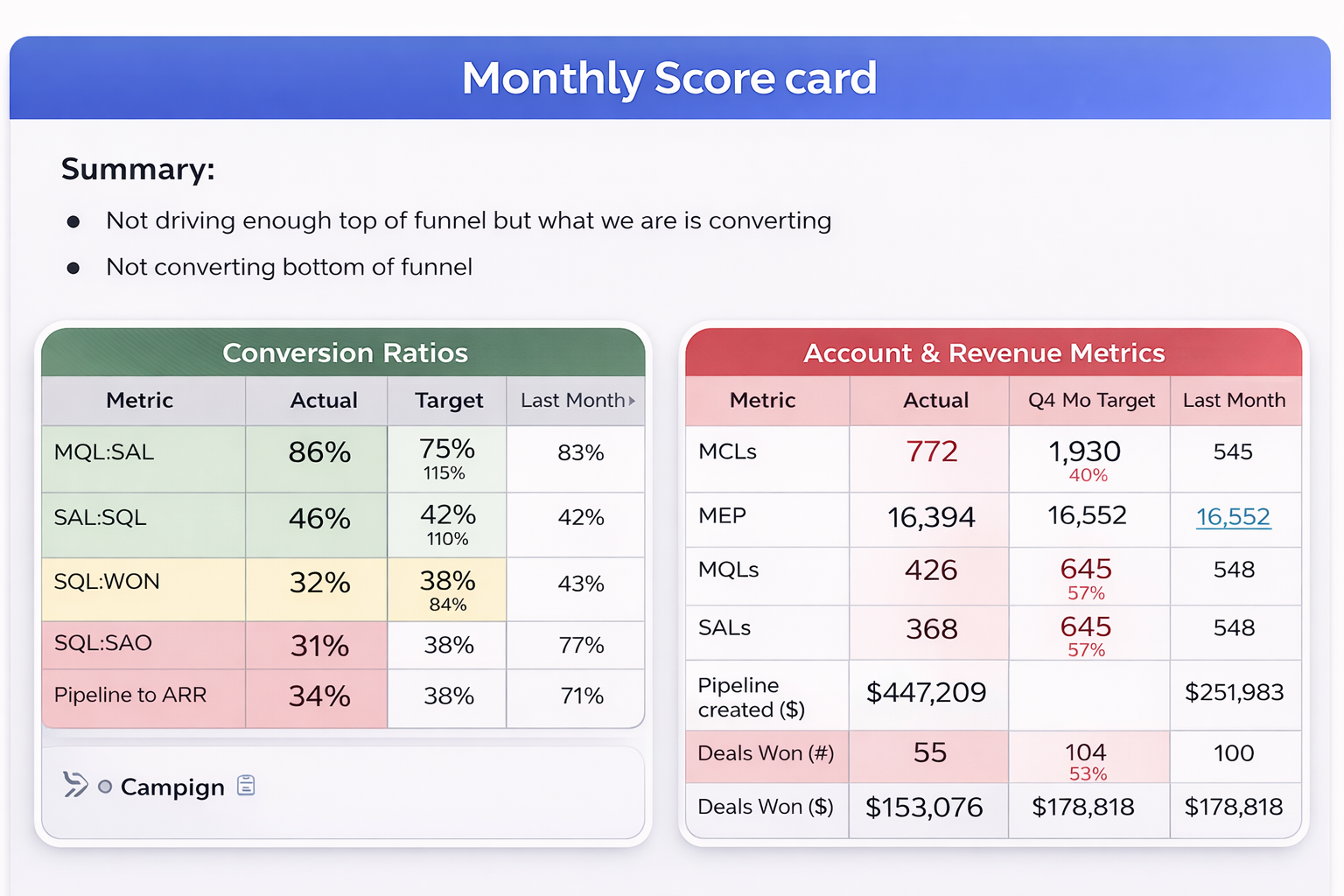
Pipeline problems don’t show up all at once, they build upstream. This case study shows how I introduced monthly scorecard reporting to track lifecycle and conversion trends, surface risk early, and fix gaps before they turned into pipeline issues.
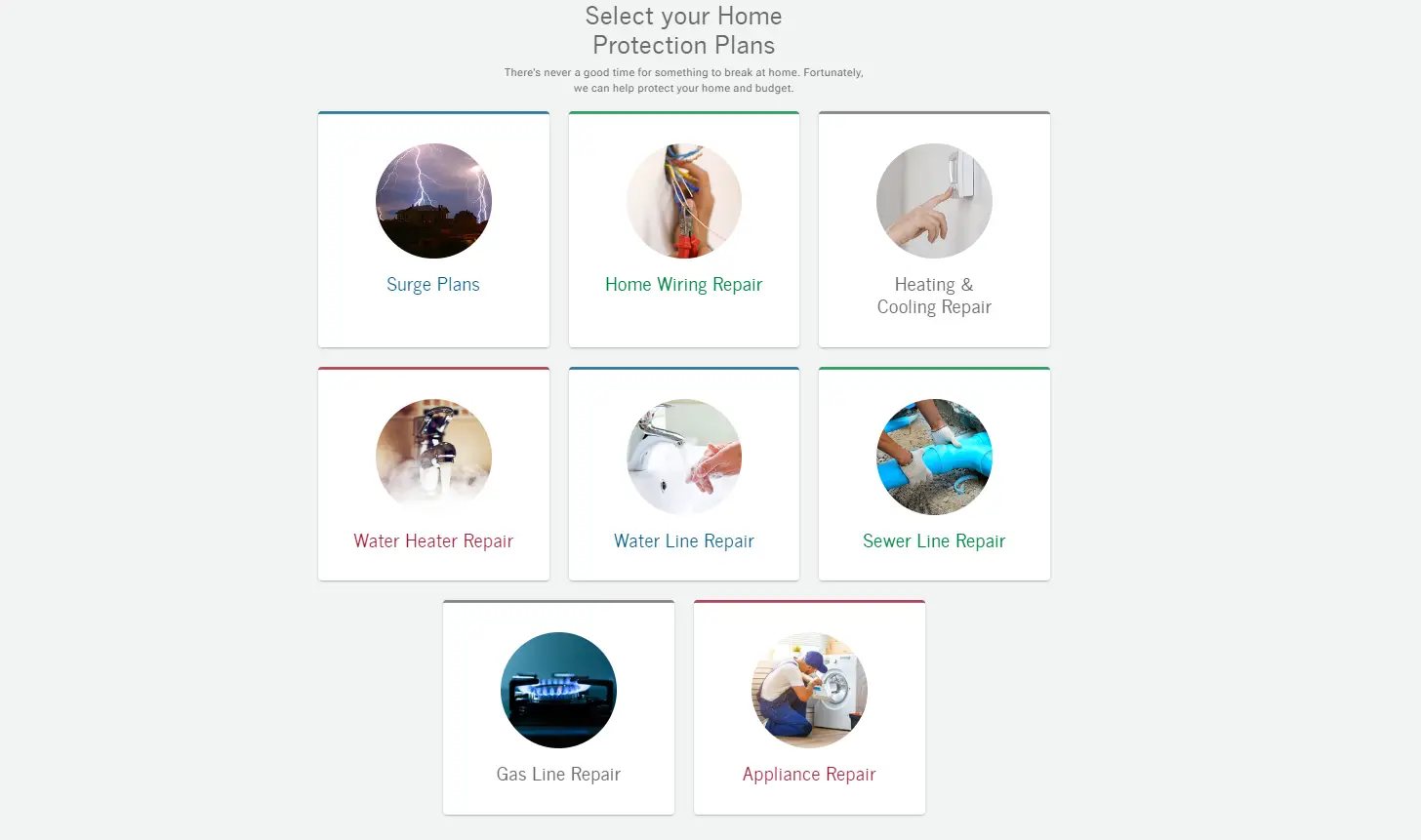
Duke Energy’s home warranty products were siloed and confusing for customers. This case study shows how I piloted the company’s first bundled offering, marketing all warranties together, which simplified the experience and drove a 15% increase in enrollments.
Hexagon had a solid target accounts list, but the budget was too small to target the full list, and campaigns were unfocused. This case study shows how I built a targeted ABM strategy that leveraged intent data to identify accounts in-market and focus spend, aligning messaging, channels, and sales outreach to accelerate pipeline.
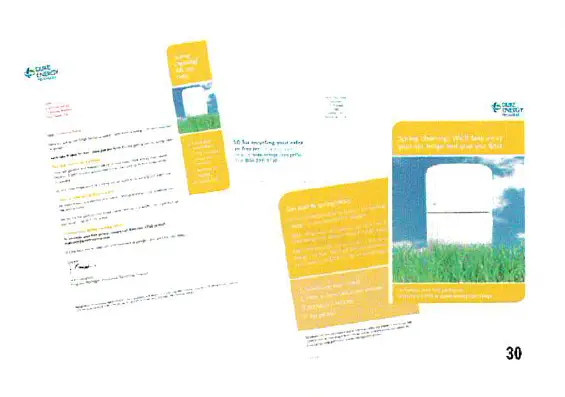
Duke energy had been sending direct mail to the same segment for years, wasting spend on low-response recipients. This case study shows how I used propensity models to focus on the contacts most likely to respond, reducing list size, cutting campaign costs by 40%, and maintaining engagement and response rates.

Coordinating full-funnel, industry-specific campaigns across digital, direct mail, webinars, and events is complicated. This case study shows how I built campaigns from scratch, integrating messaging and assets to ensure consistency, meet deadlines, and deliver measurable results.
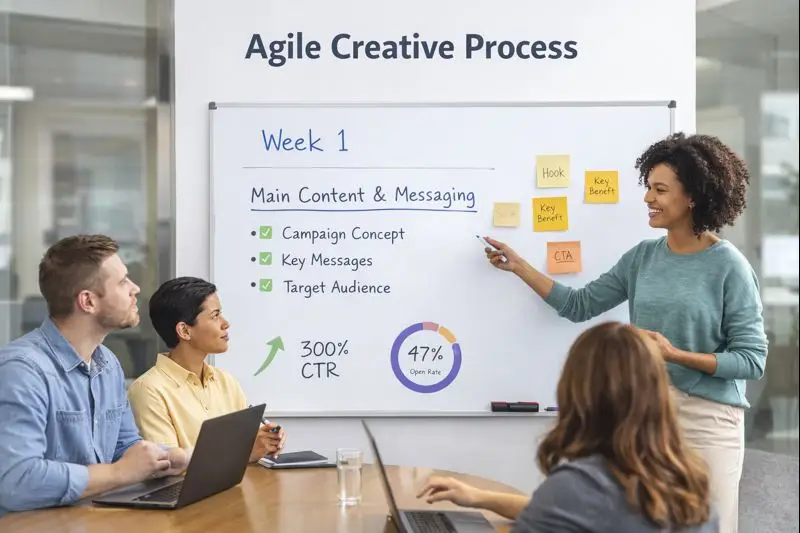
Campaign creation was slow and fragmented. This case study shows how I implemented an Agile framework, cutting lead time by 65% and delivering core content, messaging, and 20+ assets in a three-week sprint, accelerating time-to-market and improving cross-team collaboration.